Associated technologies
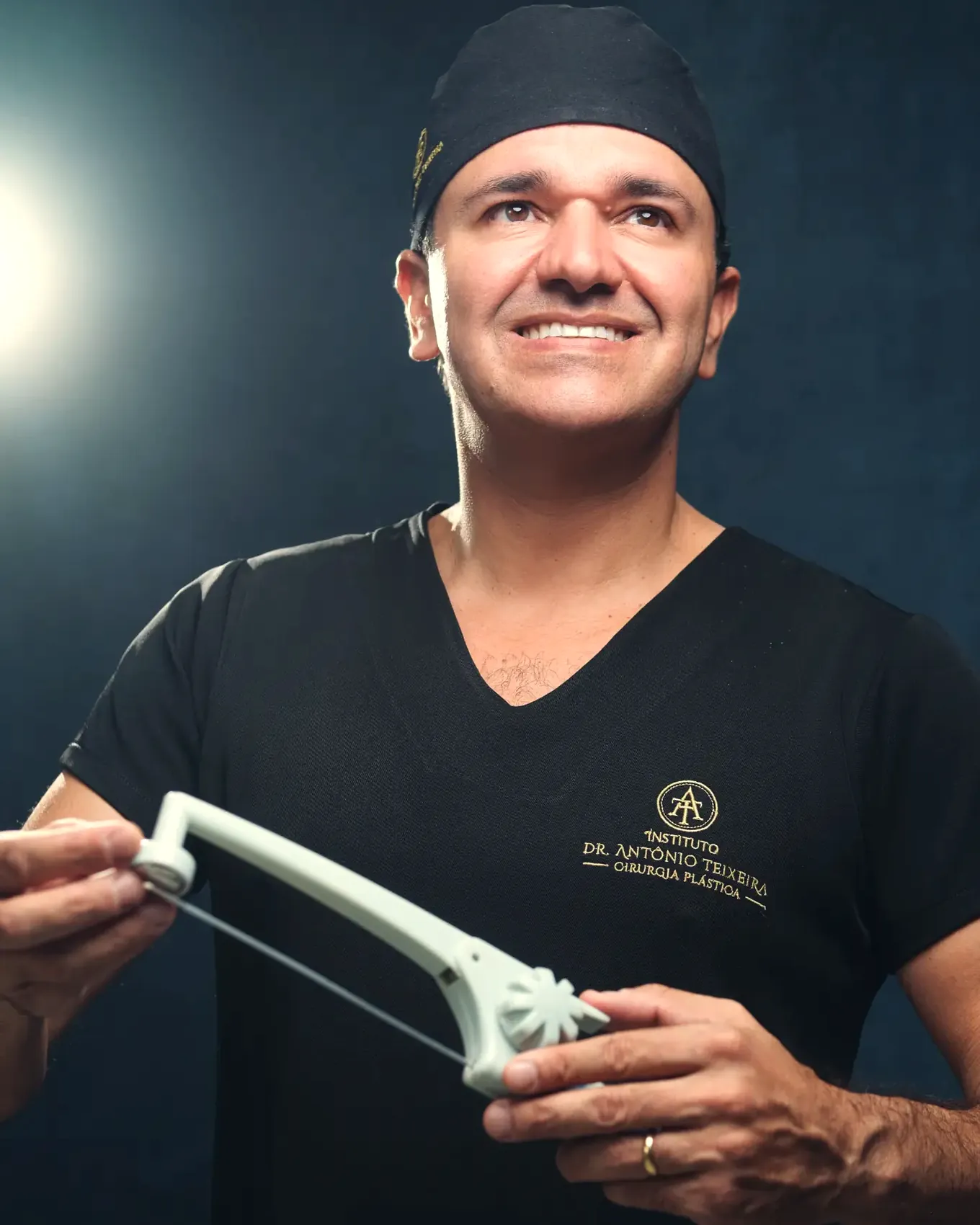
BodyTite, associated with InMode’s IgniteRF platform, uses an internal cannula and an external applicator to deliver radiofrequency energy through the tissues. The system includes temperature monitoring intended to help control energy delivery, according to the device and settings used. The technology does not replace the surgeon’s assessment and cannot, by itself, make an unsuitable indication appropriate. [1]
Authorized use and device characteristics may vary by country, model, and local regulation. Technical information from the manufacturer must therefore be considered together with medical assessment and the rules applicable to the facility where the procedure is performed.
Appropriate timing
During consultation, BodyTite may be discussed as one possible option for selected body-contouring situations, particularly when localized fat is accompanied by some degree of skin laxity. Indication is not automatic and depends on skin quality, subcutaneous tissue thickness, fat distribution, previous surgery, and the patient’s expectations.
When liposuction or skin-excision surgery is indicated, BodyTite may or may not be included in the plan. In some cases, conventional surgery, a combined approach, or not proceeding may be more consistent with the anatomy and clinical goals. The decision must be individualized, without promising skin contraction or a specific outcome.
Key considerations
Body contouring involves assessment of proportions, transitions, and volume distribution. HD Liposuction, when indicated, requires detailed anatomical planning, appropriate technique, and attention to safety limits; it is not synonymous with BodyTite. BodyTite may be considered as a complementary resource in a selected plan, but it does not replace the definition of goals, liposuction, skin excision, or other steps that may be needed.
Combining different resources increases the need for planning, control of operative time, assessment of treated volume, and follow-up. Patients should understand that different technologies and techniques have their own indications, limitations, and risks.
The assessment
Consultation should include medical history, current medications, allergies, smoking status, weight changes, previous surgeries, physical examination, and assessment of skin elasticity and thickness. It is also important to define the main goal: fat reduction, contour improvement, treatment of laxity, or a combination of these concerns.
Assessment may lead to additional testing, another treatment recommendation, or postponement. Uncontrolled medical conditions, expectations that are incompatible with the anatomy, or the absence of an appropriate care setting may alter or prevent the plan.
| Assessment area | Why it matters |
|---|---|
| Elasticity and excess skin | Influence potential tissue retraction and whether skin excision may be needed. |
| Fat distribution and volume | Help determine whether liposuction is appropriate and define treatment limits. |
| General health and medications | Affect anesthetic, bleeding, infection, and thromboembolic risk. |
| Treatment area and extent | Influence operative time, setting, recovery, and follow-up. |
| Expectations and priorities | Support realistic goals and shared decision-making. |
Safety, setting, and follow-up
The procedure should be planned in a setting appropriate to its complexity, with qualified staff, safety protocols, anesthesia resources, and the ability to recognize and manage complications. The choice of setting should not be based solely on the presence of a device.
As with other invasive procedures, possible events include pain, swelling, bruising, contour irregularities, altered sensation, seroma, infection, burns, bleeding, wound-healing problems, thrombosis, and the need for revision. Frequency and severity vary with technique, treated area, individual health, and procedure extent. Informed consent should address possible benefits, limitations, alternatives, and risks.
Postoperative follow-up is part of the treatment. Instructions, appointments, dressing care, and recognition of warning signs should be established before the procedure. Progressive pain, fever, shortness of breath, chest pain, sudden asymmetry, drainage, or significant skin changes require prompt medical contact or emergency care according to severity.
Professional experience and individual decision-making
Dr. Antônio has used BodyTite for more than 8 years. This describes his professional experience with the resource and should not be interpreted as a prediction of indication, safety, or outcome. Each case must be assessed individually, considering technique, anatomy, health, expectations, alternatives, and available facilities.
The final decision should follow an appropriate clinical assessment, clarification of questions, and understanding of the proposed plan. No single technology is suitable for everyone, and choosing not to use the resource may be the most prudent course in some cases.
Frequently asked questions
Does BodyTite replace liposuction?
Not necessarily. BodyTite and liposuction are different resources. BodyTite may be considered together with liposuction in selected cases, but the choice depends on anatomy, goals, and medical assessment.
Does BodyTite replace skin-excision surgery?
No. When there is significant excess skin, excision may be needed to address the anatomical issue. The technology should not be presented as a universal substitute for conventional surgery.
Are BodyTite and HD Liposuction the same thing?
No. HD Liposuction is a liposuction strategy focused on contour planning and anatomical definition. BodyTite is a technological resource that may or may not be included in an individualized plan.
Can BodyTite be used on any body area?
No. Suitability depends on the area, tissue thickness and quality, treatment extent, health conditions, and applicable regulation. Some areas may require another technique or may not be appropriate for this resource.
How can I know whether BodyTite is appropriate for me?
That answer requires consultation, physical examination, medical history, risk assessment, and discussion of alternatives. An informational page cannot confirm individual suitability or replace clinical evaluation.
References
[1] InMode — Body Treatments & Contouring
[2] American Society of Plastic Surgeons — Gluteal Fat Grafting: A Joint Safety Statement
[3] Tettamanzi et al. — Use of Radiofrequency-Assisted Liposuction (BodyTite) for Body Contouring
> Medical review note: This educational content was reviewed for clinically cautious language. It should be updated and validated by the responsible medical professional before publication, taking into account local regulation, device labeling and authorized indications, institutional protocols, and current medical literature. It does not replace consultation, diagnosis, or informed consent.
BodyTite may be considered a complementary resource in selected body contouring and laxity contexts. It does not define its own category or an isolated indication.